Showing posts with label La Orotava. Show all posts

Thursday, June 18, 2009

49 ~ Today's Sand & Flower Carpets

sand face zmClick to enlarge

Close up of sand painting June 18, 2009

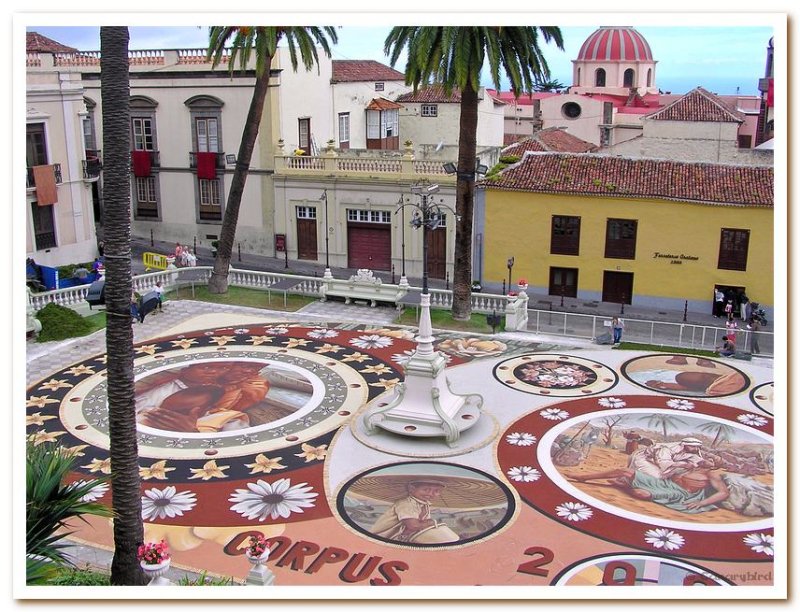
Today is a day of festivities and religious celebrations in the villa of La Orotava. For weeks the annual carpets of sand have been in the planning, to be created in the town hall plaza over a period of days by uniquely talented artists who drizzle the natural coloured volcanic sands onto the ground to create images of great beauty.

This year the central image represents the year of Saint Paul and the laterals on either side represent the dignity of humanity, and especially that of women, represented by the two female images.

plazaTown Hall Plaza Centre Image
rt side carpetRight side of carpet
left side tapizLeft side of carpet
centre closeup Closeup Central Image
plaza 5
This evening they will be swept away after the solemn procession, celebrating the Christian Eucharist, moves from the church to the above city hall plaza, la Plaza del Ayuntamiento.

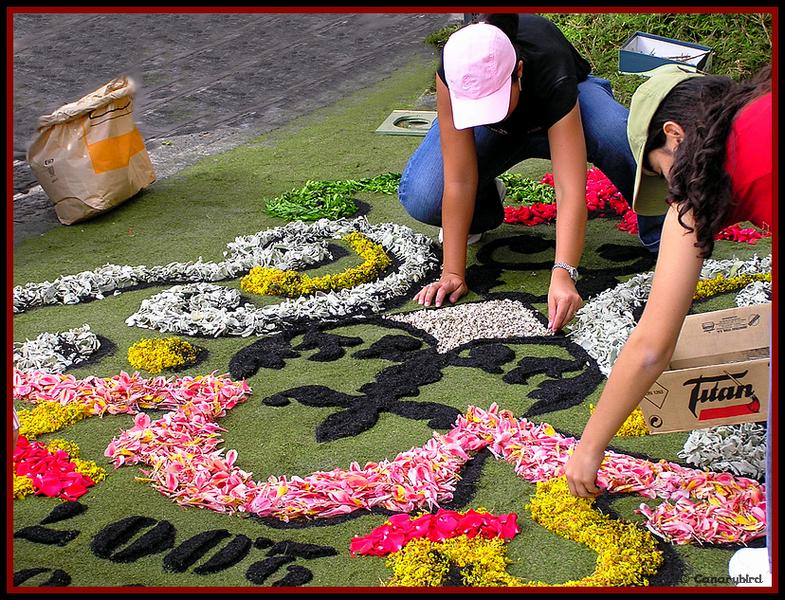
carpets 1 Preparing the petal carpets

I have not been there for the last two years so this morning I made sure I was up early and went to La Orotava, a few minutes drive from my home, just after 10 am, armed with two cameras and wearing good walking shoes. Orotava is very steep and one must walk partway up the hills since today the roads are blocked for the making of the carpets.

roses Thousands of roses

Since this morning there has also been excitement in the town as the alfombristas or carpet makers are working on the flower petal carpets which will fill the narrow cobblestone streets. They last for today only, as they will be walked on by the church procession this evening. I saw many boxes of fresh flower petals as well as these rosebuds stacked for use in forming flower carpets. Finely milled green heather is also used to form a green background and edging along with black volcanic sand for accents and edges.

alfombras 2
alfombras 3
alfombras close
alfombras 4
alfombras 5Whole families take part in this event and small children learn from an early age how to take apart the petals and put them in place.

child and petals
alfombras 5
floral image
alfombras 6
bronze alfombrista Bronze statue

A bronze statue of an alfombrista, a flower carpet maker, kneels in the typical posture of those who work on the carpets. He is lovingly provided with fresh flowers and greenery throughout the year.

Here is a slideshow of the above and other images, which may be an easier way to view them in large screen size. All but the first image are from this morning, June 18, 2009. The first photo was taken in 2007.

I hope you will enjoy your visit to ....
The Carpets of La Orotava!

Monday, May 25, 2009

44 ~ Fiestas de Corpus: Romeria

la orotava(click to enlarge photos)

Every year during the June Celebrations of Corpus Christi in the beautiful old town of La Orotava on the north west coast of Tenerife, there are some events which are rarely equaled elsewhere in the world for their uniqueness and high level of craftsmanship. One of these events is the formation of an enormous sand carpet mural, this year 870 meters square, made from natural coloured volcanic sands taken from the caldera of the island's volcano, El Teide.

alfombras de arenaSand Carpets from 2007

At the same time, on the last day of the fiestas, flower carpets of intricate designs are made from fresh petals to cover the streets of the town. These are the famous 'alfombras' of La Orotava. I will show some photos of these soon as this year's celebrations are already underway and will continue until 30 June, 2009.

floralesMaking the Flower Carpets

But one celebration which is especially enjoyed by locals and visitors is the procession of the Romeria during the fiestas of San Isidro Labrador, patron saint of agriculture, also held in June. Here is where the local Canary people dress in their traditional costumes, with slight differences in the style and colour which denote the town or area from which they come.

cartThe procession is formed by dozens of oxen-drawn carts, each one decorated with farm implements, fruit and vegetables, wine barrels and little stoves on which sausages, kebabs and other meats are cooked before, during and after the procession, as it moves from the highest point where the oxen and carts are assembled down through the streets of the town.

cartIt is a joyous event with much music, singing and dancing. The regulations for participating are quite strict and those in the procession must adhere to the traditional dress of their ancestors with no modern embellishments such as watches or sunglasses.

Here is a slideshow of photos (full screen) that I took during the fiestas of 2007, when I spent a morning watching the preparations before the procession, taking candid photos of the participants, their oxen and carts.
Small version of slideshow here below.


people

oxen

Tuesday, January 13, 2009

14 ~ The Gofio Mill

gofio mill Orotava(click to enlarge photos)
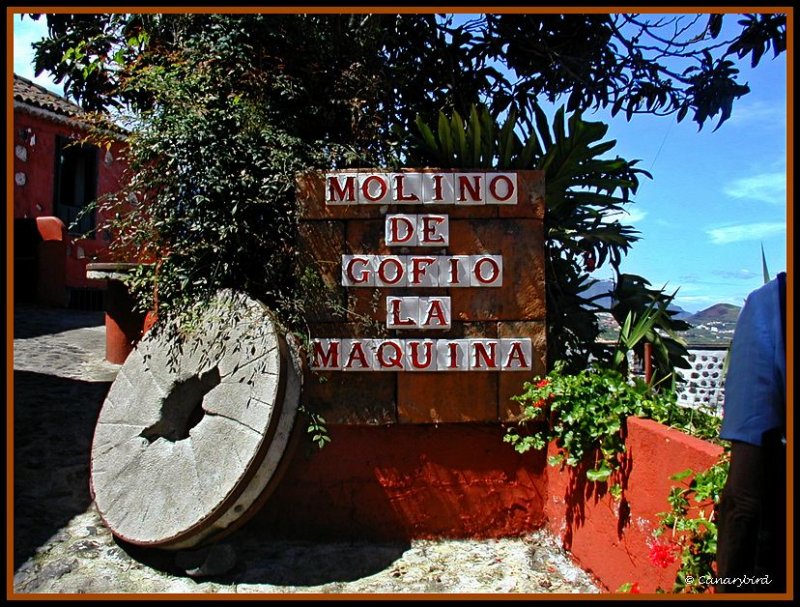
One day my friend Anne and I went to visit a gofio mill in La Orotava.

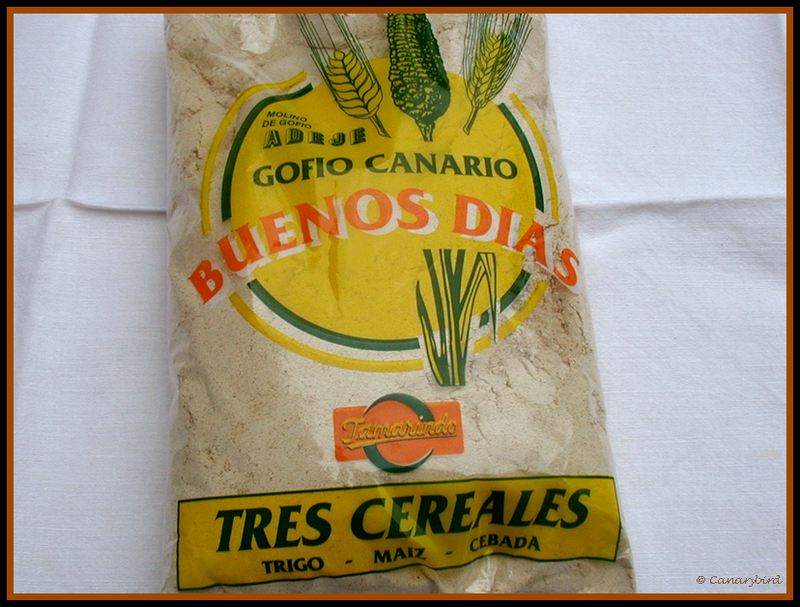
gofio mill orotava Gofio is a flour made from toasted cereals which has been a staple food of the Canary people for centuries.

gofio in bagThe aboriginal people of the islands, the Guanches, used to grind toasted barley and other grains as well as the rhizomes of ferns into a flour which was then mixed with water to form a nutritious paste.

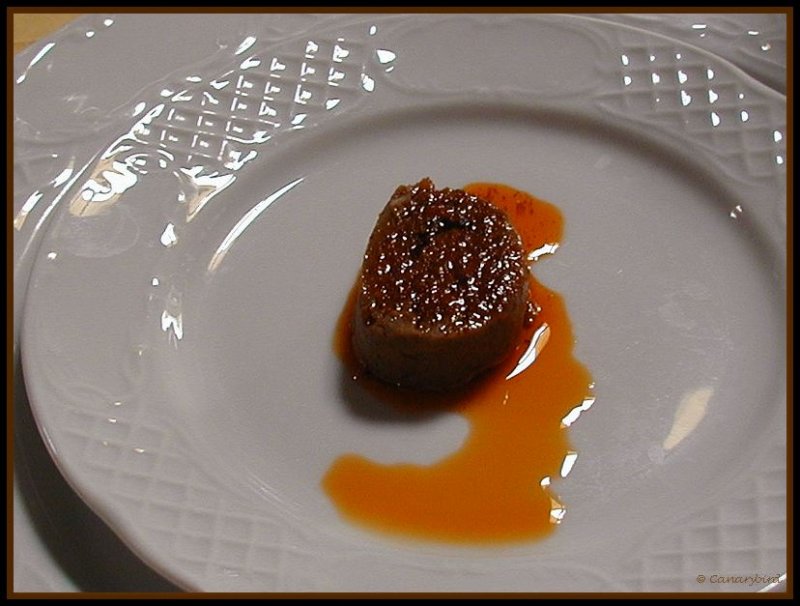
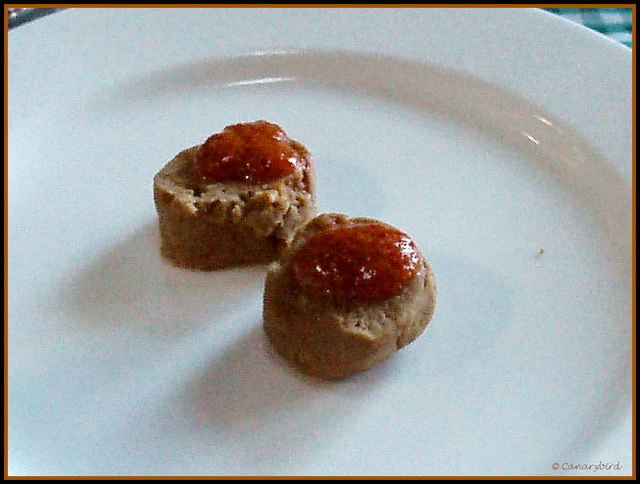
gio on plate Later it was made from cereals such as maize (called millo), wheat and barley either toasted and mixed together or ground separately. It has been used mixed with water, milk or broth, and served either as a thin gruel or as a thick mixture shaped into small croquettes and eaten out of hand, in place of bread.

gogio in restaurant
As a food rich in vitamins and minerals it has been a basic sustenance of the Canary people, especially in times of food scarcity, as after the Spanish civil war when many people went hungry. A friend of mine from the island of Hierro says she added gofio to the milk in her baby's bottles. Gofio added to a glass of milk is a common breakfast for many people, as it is considered to be a very healthy food, free of preservatives and artificial colourings.

gofio in restaurante
Here on the islands, one can see gofio served as well in restaurants, either as a small starter for the uninitiated to this food, or as a bowlful with a porridge-like consistency, placed in the centre of a table for members of a family to serve themselves by dipping in their spoon.

The most prized is the gofio which has been hand ground in a stone mill, as the flavour and consistency is deemed the best but there are many electric mills used nowadays. Here is the one we visited, where the miller is overseeing the grinding of the toasted maize.

miller & machine
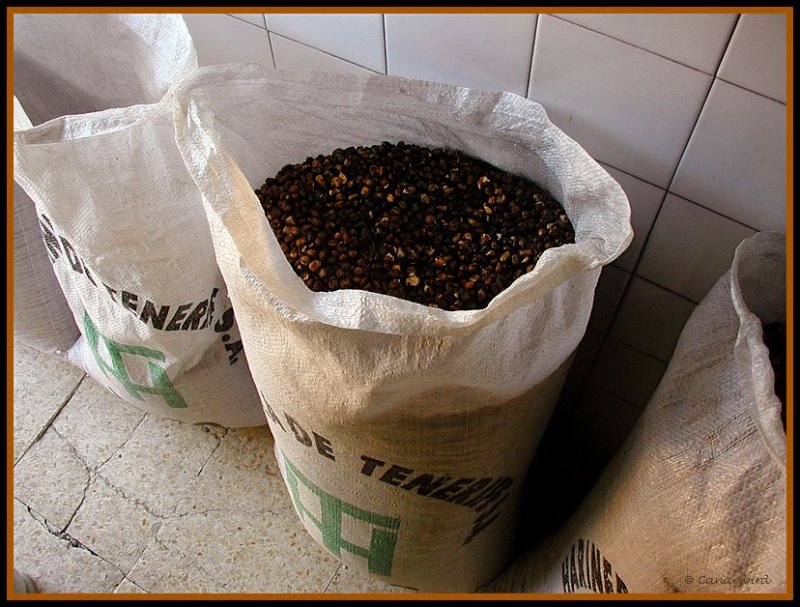
Here is a bag of toasted maize waiting to be ground:

toasted maize in bag
And another sample of the toasted maiz for visitors to see:

tosted maiz in box
After being ground, the gofio flour looks like this. The miller shows us by taking out a scoop:

gofio flour
Here in the patio outside the mill is an older machine, looking as though it has been retired from service, as is evident from the fern growing out of the top.

old green gofio mill
La Orotava is such a lovely old town where one can find so many interesting things.
There is always something new to explore around the next corner!

NEXT: My bees and flowers.

Tuesday, December 9, 2008

7 ~ El Liceo de Taoro


In April of this year my friend Anne and I went up to the town of La Orotava to visit
a beautiful cultural building, the Liceo de Taoro, which is surrounded by terraced gardens and fountains and which has a lovely restaurant where neither Anne nor I had been before. To our disappointment, both the building and the restaurant were closed that day. So we walked around the formal gardens. We passed one beautiful example of dasylirion acrotrichum, a plant of the agave family which looks like one of those fibre optic lamps....sprays of fine green swordlike leaves tipped with a miniature flower on a thick snaking trunk.

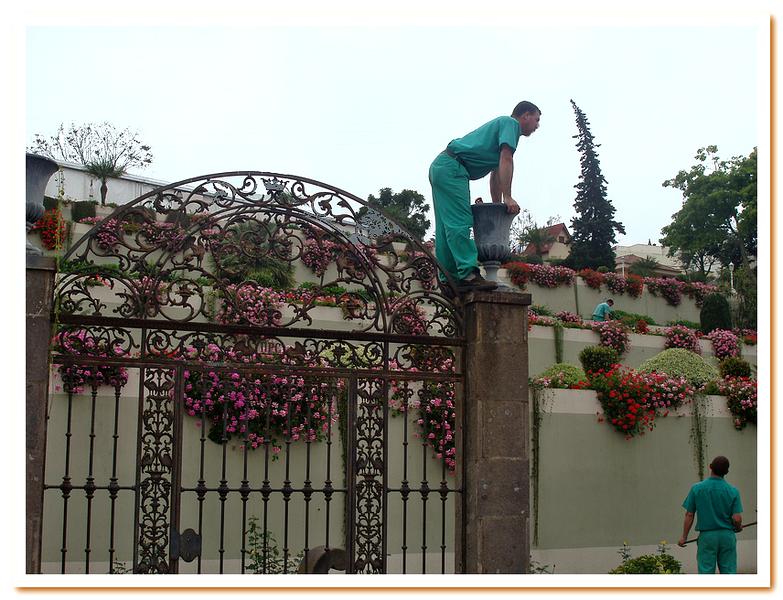
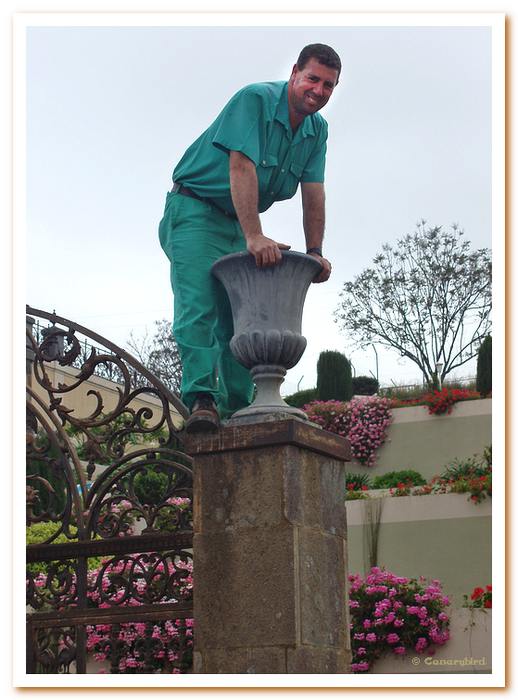
There were several young gardeners there working so I started chatting with them and asked how they kept their roses and hydrangea so healthy and the leaves so beautifully clean. One reason I know is that the garden is at a higher level than where we live, and the plants thrive in the cooler air. So I was told they use a wettable sulphur on the leaves to discourage both pests and fungus on roses and an NPK fertilizer of 20-10-10. The double quantity of nitrogen explains the dark green of the leaves. One of the young men climbed like a monkey to the top of an iron gate to clean a flower pot poised at the top. His friend suggested I take a photo of him, which I did.


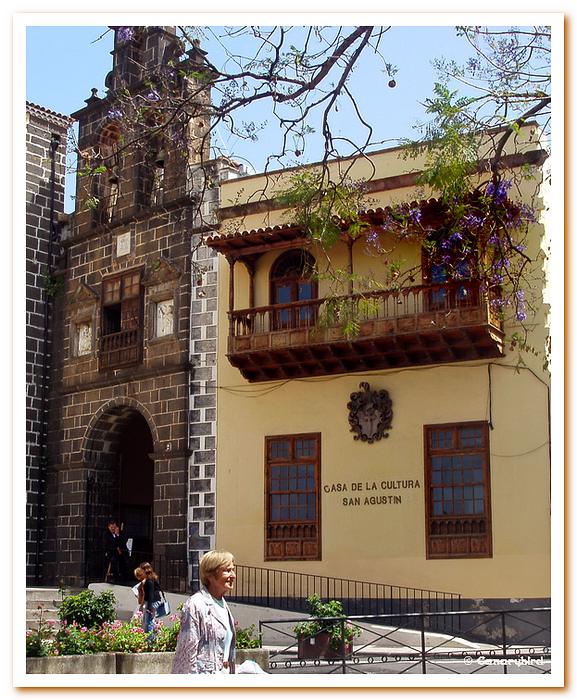
After we had looked around, Anne and I walked down the narrow street to a restaurant where we had been before. Upstairs was a typical Canary wooden balcony, decorated with a dry palm leaf left from Palm Sunday. It's a Spanish custom to attach the palm leaf to one's balcony in this way. There were also pots of orchids on the balcony. But first we looked in shop windows across the street at the display of white First Communion clothes on display. I believe it's customary for young Spanish Catholic children to have their First Communion in the month of May. The children will be dressed in their finest clothing, the boys often in white sailor suits, the girls in long white dresses. Here in the shop window there are silk short pants, satin blouses, white shoes and accessories on display.

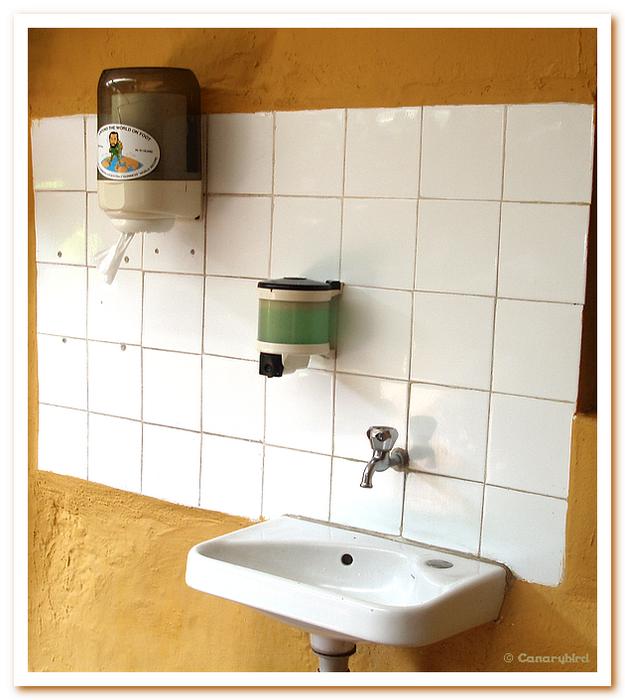
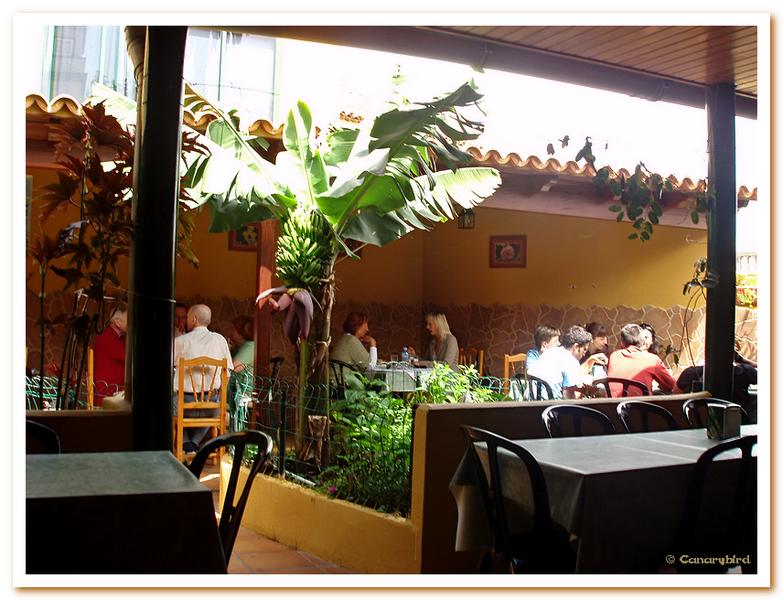
Anne crossed the street to the old bakery and restaurant where I used to buy crispy hazlenut meringue cakes. The owner opened the door for her and as we entered we looked around at the 90 year old display cases and then passed through a narrow door to a dim hallway which opened out to a small dining room. But we wanted to have our lunch on the outdoor patio so we passed through the unusual walkway, lined with glass cases full of cakes, past the kitchen and a group of pastry chefs and cooks dressed all in their white gear. We came outside to the patio where the bananas were still growing and passed the handwashing basin, conveniently placed out in the open on the wall of the dining room. There were small groups of other diners there even though it was past 3pm.


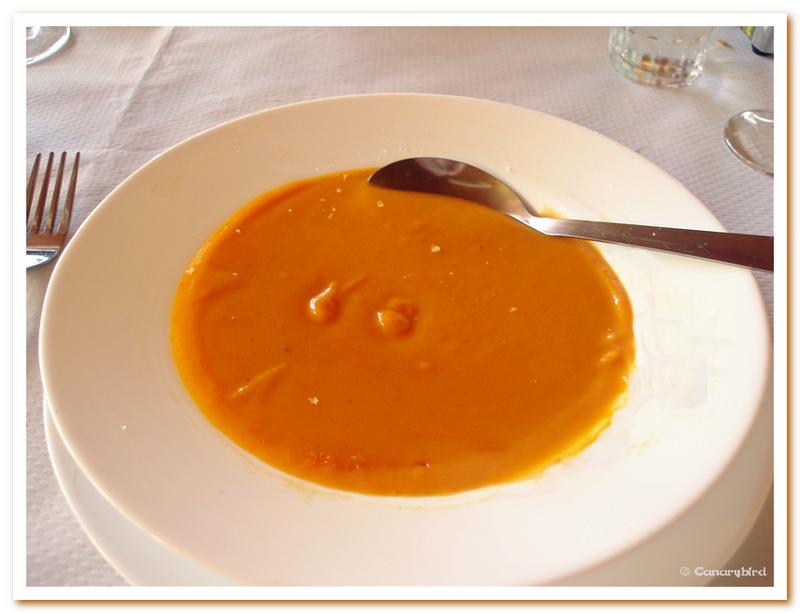
We both ordered their 3-course set menu of the day which included bread, wine and water and cost barely over 10 Euros each. There was a choice of the soup, so Anne chose watercress potage and I took a butternut cream. The main entree was thin slices of roastbeef in gravy with chips, salad and a few vegetables followed by an apple strudel with whipped cream. It was all simple food and good value for money. The location was as charming as I remember it from the last time I was here, which was a few years ago.


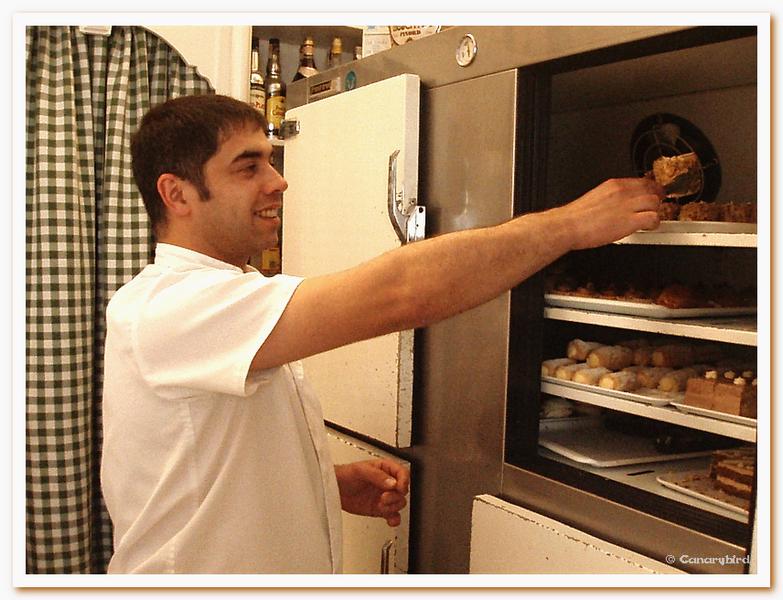
Before leaving we spoke to one of the pastry chefs about the crunchy hazlenut meringue cake that I used to buy and she said, apart from that it was also her favourite cake, that they still make it and also in smaller individual cakes, called "tambores" or drums. So as we left the dining area we paused to speak to the young man in attendance in the front bakery and he said that he had some.

So I bought two to take home and Anne bought one for herself. I was surprised to see that the bakery shelves were also well stocked with liquor bottles! There were a couple of tables and chairs there so I imagine the locals must stop in here for a coffee, cake and brandy after a meal.


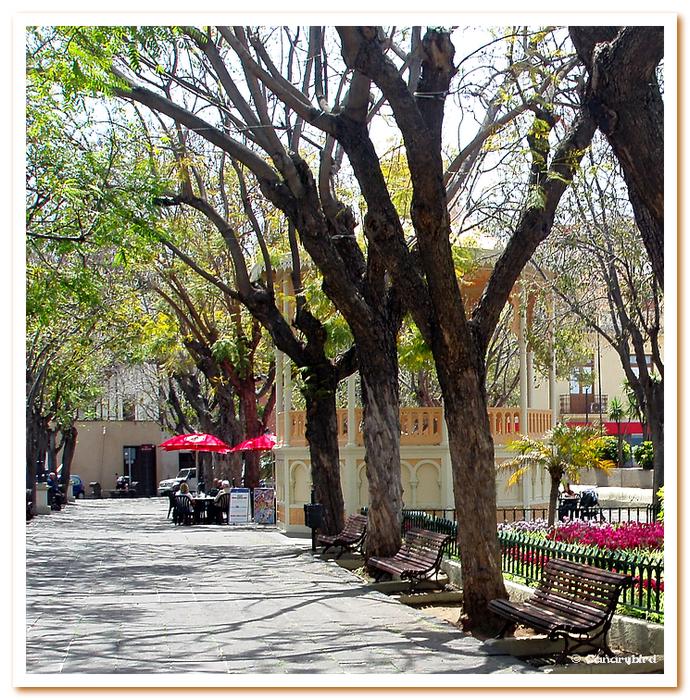
So we walked back through the narrow cobblestones streets, through the lovely Plaza de la Constitución, the bandstand and more gardens before making our way back to the car.
That was a nice day.
I hope we can do it again soon and do the tour of the Liceo as well on a day when it is open.


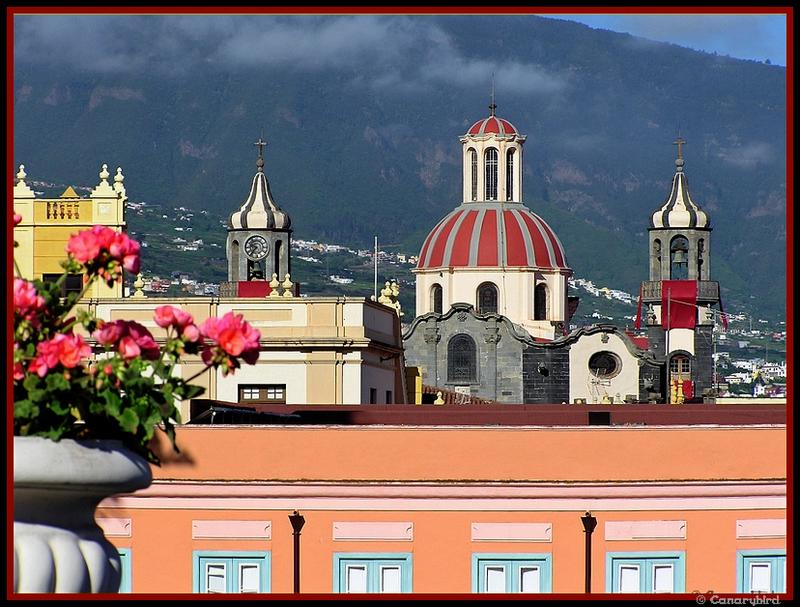
View over La Orotava

LinkWithin

Related Posts Widget for Blogs by LinkWithin